Uncovering How Seasonal Tourist Influxes Alter Blackjack Table Limits and Game Selection Options in Coastal Gambling Destinations
Avery Klein · May 30, 2026
Uncovering How Seasonal Tourist Influxes Alter Blackjack Table Limits and Game Selection Options in Coastal Gambling Destinations
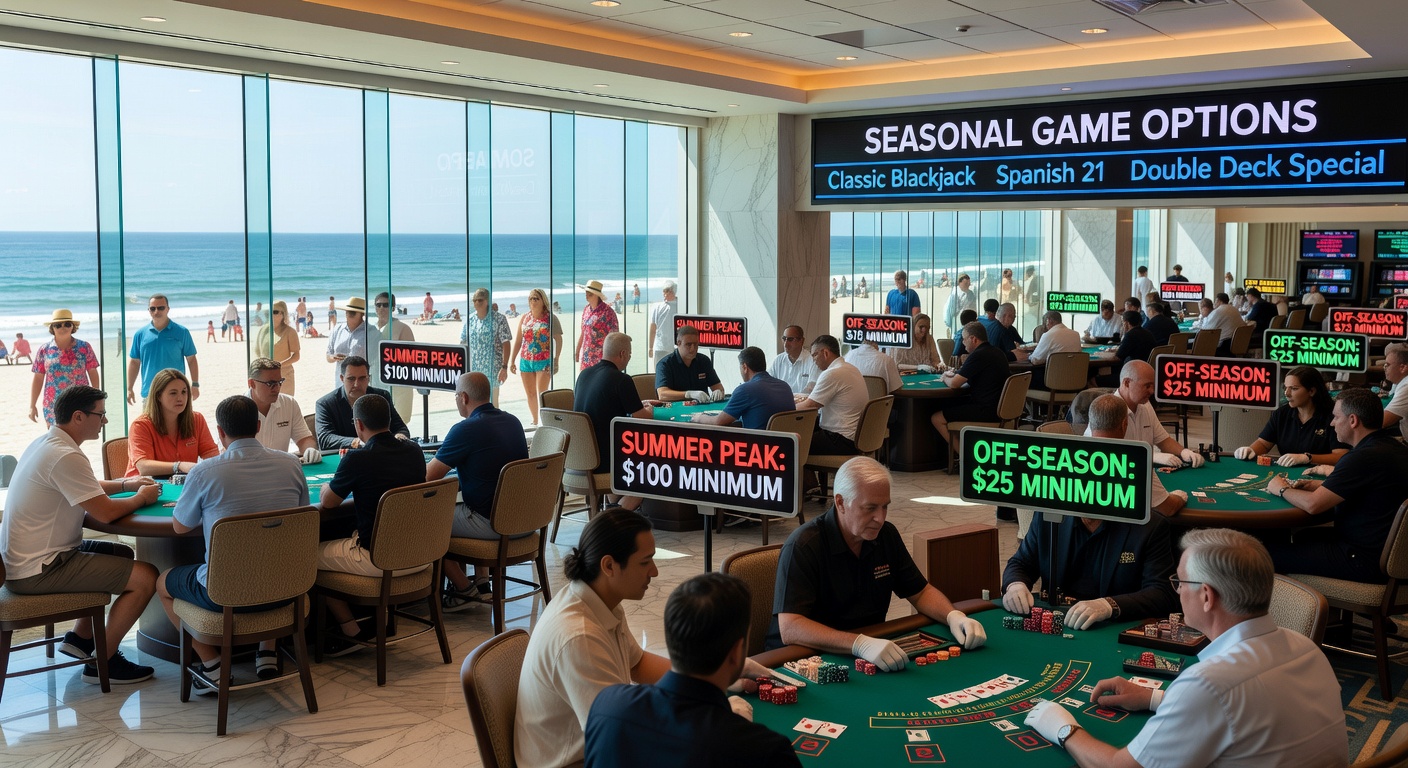
Coastal gambling destinations experience measurable shifts in blackjack operations when tourist volumes rise during peak seasons, and these changes affect both table minimums and the range of games available on the floor. Observers note that facilities in places like Atlantic City and Biloxi adjust their offerings to match the spending patterns of seasonal visitors who arrive in larger numbers from late spring through early fall. Data collected over multiple years shows that minimum bet requirements often climb during these periods while certain game variants gain prominence to appeal to the influx.
Patterns in Atlantic City Operations
Atlantic City casinos track visitor arrivals closely and respond by raising blackjack table minimums from typical off-season levels of $10 or $15 to $25 or higher once summer crowds arrive, according to records maintained by the New Jersey Division of Gaming Enforcement. This adjustment occurs because tourist-heavy periods bring more players willing to wager at elevated stakes, and operators allocate floor space accordingly. Multiple properties simultaneously expand the number of tables offering progressive side bets and continuous shuffle machines that speed up play for groups moving through quickly. Those who monitor these venues report that game selection expands to include more double-deck offerings with favorable rules during May, when early tourist traffic begins to build ahead of the main season.
Adjustments Along the Gulf Coast
Biloxi properties follow a comparable cycle where table limits increase in tandem with hotel occupancy rates that spike between Memorial Day and Labor Day. Figures from the Mississippi Gaming Commission indicate that average minimum bets at blackjack tables rise by 40 to 60 percent during these months compared with January through March baselines. Casinos in the area also introduce more tables featuring surrender options and bonus payouts because these variants attract visitors seeking variety during shorter vacation stays. Game floors shift away from the slower, single-deck setups preferred by year-round local players and toward multi-deck configurations that accommodate higher table counts and faster turnover. Researchers tracking these trends have documented similar patterns repeating annually without significant deviation.
Factors Driving Limit and Selection Changes
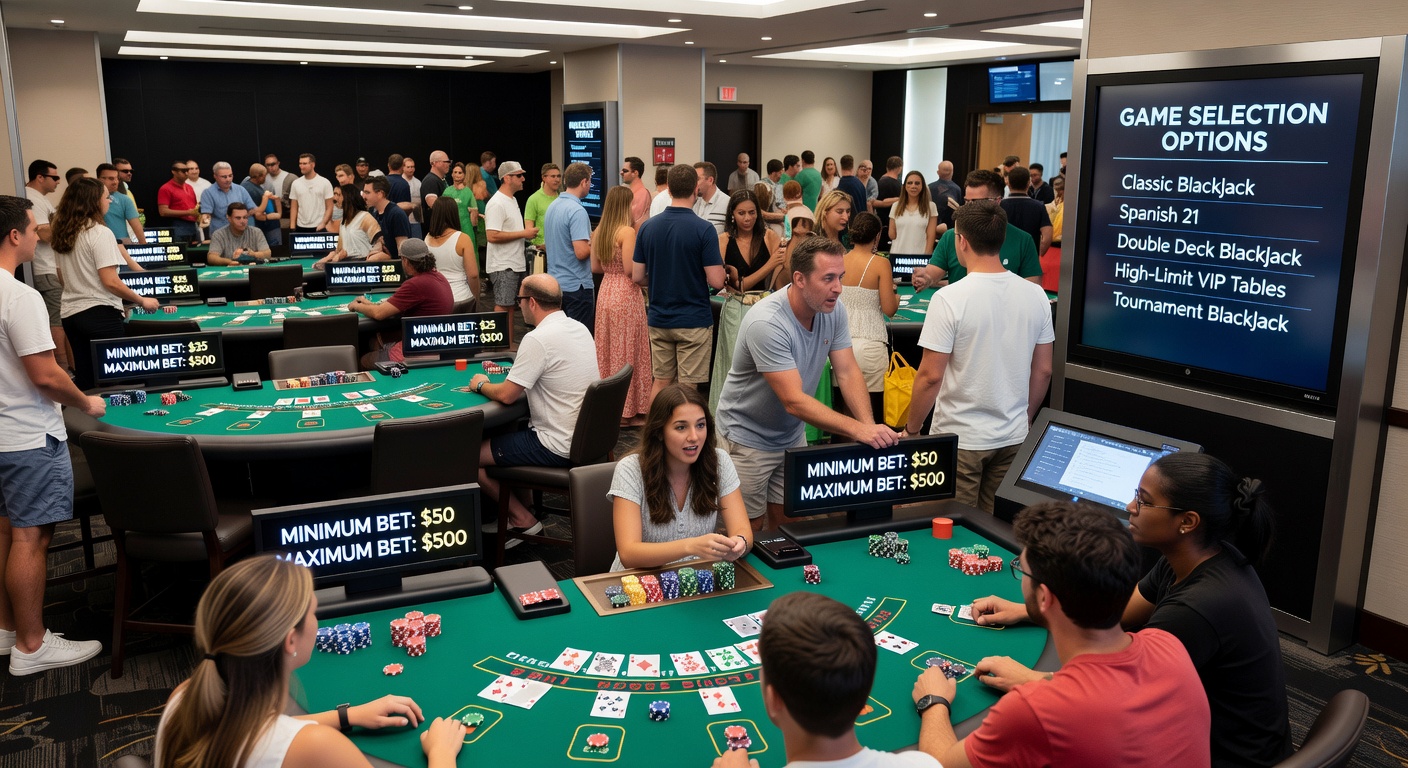
Several operational considerations prompt these modifications. Higher table minimums generate greater revenue per hand when visitor volume climbs, and they help manage table availability when demand exceeds capacity. Game selection evolves because tourists often prefer options that include side bets or quicker resolution, whereas locals tend to favor standard rules at lower stakes. Data compiled by the University of Nevada, Las Vegas Center for Gaming Research reveals that coastal properties allocate roughly 15 to 20 percent more floor space to blackjack during peak tourist months than during slower periods, with the added tables typically carrying elevated minimums and additional rule variations. This reallocation happens predictably each year as occupancy reports signal the approach of busy seasons.
Coastal destinations located farther from major population centers rely more heavily on these seasonal adjustments because their player base fluctuates more dramatically than inland venues. Properties respond by training staff to handle larger crowds and by updating signage and digital displays to reflect new limits and available games. The process unfolds gradually in April and accelerates in May 2026 as early bookings indicate another strong tourist wave approaching.
Observable Effects on Player Segments
Local players encounter fewer low-limit tables during these periods and must either adapt to higher minimums or seek out less crowded times of day. Tourist groups meanwhile find expanded choices in game types that match their shorter visit durations and recreational approach. Reports from multiple coastal facilities show that the proportion of tables offering continuous shuffle machines increases by nearly one-third during summer months, a change that aligns with faster play expectations among visitors. These shifts remain consistent across properties because revenue management systems prioritize maximizing returns during predictable high-demand windows.
Industry data further indicates that rule variations such as early surrender and double after split appear more frequently on tourist-oriented tables, while basic strategy charts provided by casinos sometimes highlight these options to speed up decision-making for newer players. The overall effect keeps blackjack sections active and profitable even as the composition of the player pool changes with the seasons.
Conclusion
Seasonal tourist patterns continue to shape blackjack operations in coastal gambling locations through targeted adjustments to table limits and game availability. These modifications follow established cycles tied to visitor data, occupancy rates, and revenue goals, producing predictable outcomes each year. Facilities maintain flexibility by monitoring arrivals and reallocating resources accordingly, ensuring that floor configurations align with the distinct preferences of different player groups throughout the calendar. The process remains a core element of how these destinations manage fluctuating demand while sustaining consistent table game activity.