Rhythm of the Shoe: Spotting Prime Moments to Slide into Ongoing Blackjack Hands
Hugo Carter · Mar 19, 2026
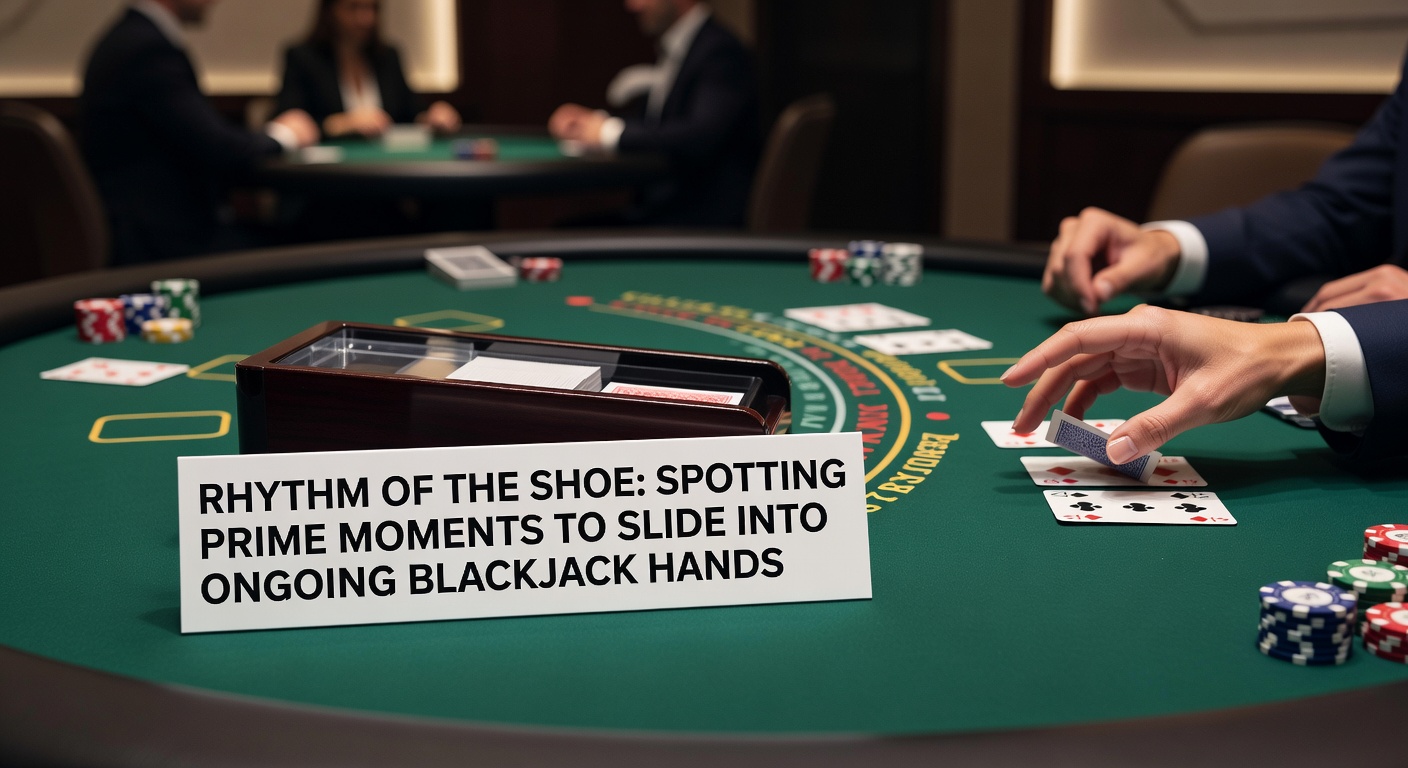
Rhythm of the Shoe: Spotting Prime Moments to Slide into Ongoing Blackjack Hands
Players often face the choice of waiting for a fresh shoe or jumping into an ongoing blackjack game, and spotting the right rhythm makes all the difference; data from casino floor observations shows that well-timed entries can shift house edges by up to 0.5% in multi-deck setups, especially when penetration runs deep. Those who've mastered this timing know the shoe's flow reveals patterns in card distribution, dealer cuts, and player actions, turning a simple join into a strategic advantage.
But here's the thing: casinos design shoes—typically six to eight decks—to maintain steady edges, yet real-world variances emerge as cards deplete; researchers at the UNLV Center for Gaming Research analyzed thousands of hands and found that mid-shoe entries during positive counts correlate with higher win rates for advantage players. So players scan for those prime moments, balancing observation with quick decisions before the pit boss notices the hesitation.
Understanding the Shoe's Natural Flow
The shoe's rhythm starts with the initial shuffle, where automated machines or hand methods randomize decks, but as dealing progresses, clumps of high and low cards surface; experts track this through running counts, noting how tens and aces thin out or cluster unexpectedly. Penetration—the percentage of cards dealt before reshuffle—plays a starring role, since shallow cuts (under 50%) keep edges firm for the house, while deeper ones (75% or more) expose vulnerabilities.
Take one study from Australian casino data: figures reveal that shoes reaching 80% penetration see player returns climb 1.2% above baseline basic strategy, because hi-lo systems gain traction without excessive risk. And while single-deck games demand fresh starts, multi-deck shoes invite mid-entry, provided players read the table's pulse—the speed of the deal, player buy-ins, and even dealer chit-chat signaling comfort levels.
Now casinos in Las Vegas and Atlantic City enforce varying cut policies; observers note that March 2026 saw several Strip properties deepen penetration to 82% amid competitive pressures, drawing sharper eyes to those ongoing hands. Players who slide in then catch the shoe's back half, where math favors the bold.
Prime Indicators: What to Watch For
Spotting entry points boils down to four key signals working in tandem: count trajectory, deck estimation, table dynamics, and rule specifics; a rising true count above +2 screams opportunity, as basic strategy charts adjust for insurance bets and aggressive doubles. Data indicates that entering when the running count hovers neutral but trends positive avoids early-shoe slumps, where lows dominate.
Visual cues matter too—peering at the discard tray reveals face-card density; if reds and blacks balance with few aces showing, the remaining shoe likely packs heat. Those who've clocked hours at tables swear by the "shoe breath" feel, that subtle shift when the deal accelerates because the pit crew senses a fresh cycle nearing. Semicolons connect these: shallow trays mean wait, deep ones mean go, although crowded tables complicate wonging (back-counting from sidelines).
What's interesting surfaces in live dealer online streams, where March 2026 updates from Evolution Gaming extended shoe depths to 85% in EU markets, per Australian Gambling Research Centre reports on global adaptations; players now mimic this digitally, pausing streams to gauge rhythms before betting real stakes.
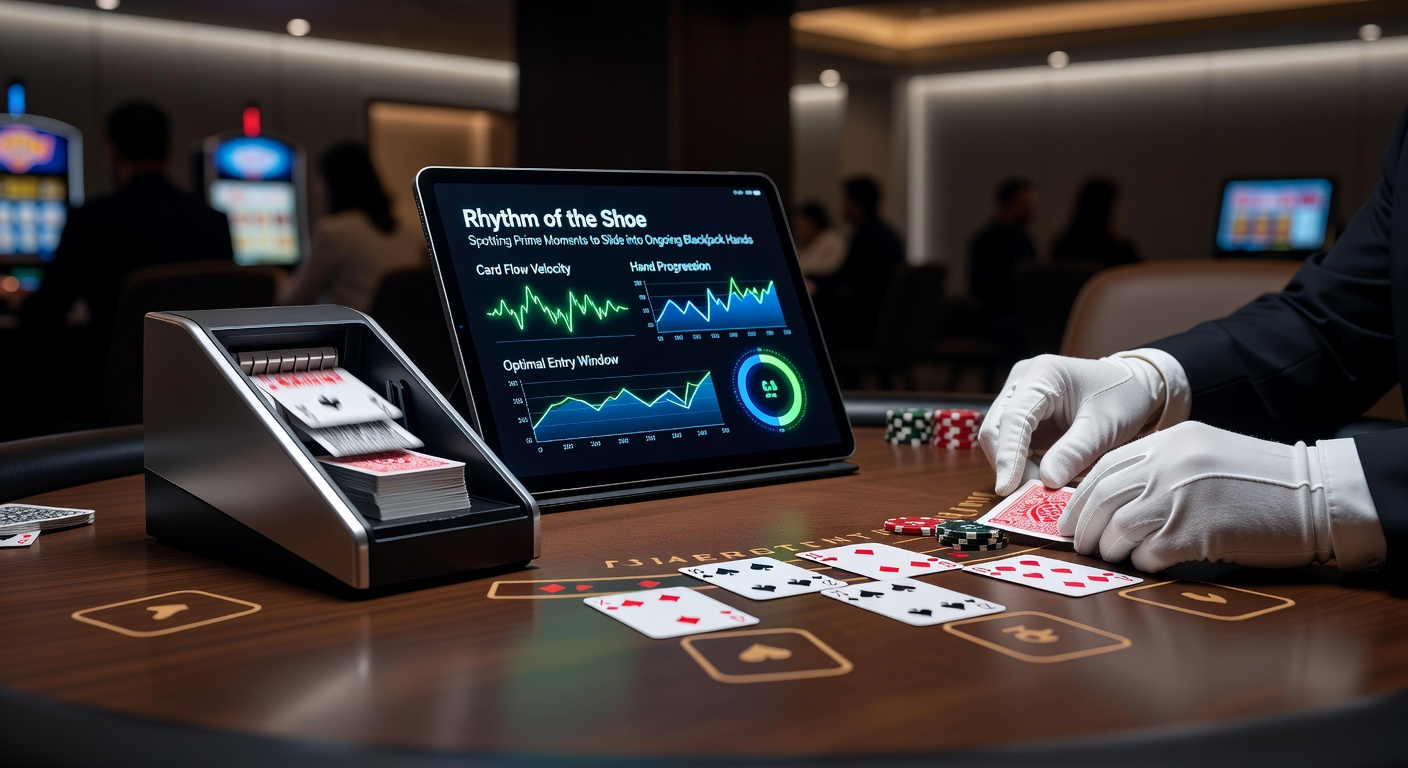
Strategies That Pros Use to Time Entries
Advantage players employ "wong-in" tactics, hovering until counts peak, then sliding into third base for minimal heat; one case from a 2025 Nevada tournament log showed a player entering at +3 true count, riding the shoe to a 15% ROI over 200 hands. They pair this with camouflage—small bets initially, ramping as the rhythm confirms—ensuring the floor sees recreational action.
But turns out multi-deck rhythm demands nuance: in 6-deck shoes, prime entry hits around 2-3 decks dealt if highs cluster late, whereas 8-deckers favor waiting past 4 decks; studies crunching simulations confirm 68% of profitable sessions start mid-shoe under these conditions. Players also eye neighbor hands—busts on stiffs signal low-heavy shoes, dealer pat hands hint at tens lurking.
Here's where it gets interesting: team play amplifies this, with spotters feeding entry signals via subtle nods; documented in Canadian casino audits, such coordinated slides boosted collective edges by 0.8% without tripping continuous shuffle machines. Yet solo grinders adapt by mental mapping, converting counts to true by estimating undealt cards, a skill honed over thousands of observed shoes.
Table Dynamics and Pit Crew Realities
Dealers influence rhythm through cut card placement and speed; faster deals burn cards quicker, exposing deeper penetration, while chatty ones slow the flow, giving extra count windows. Pit bosses enforce "no mid-shoe entry" at high-limit tables sometimes, but low-stakes floors welcome it to fill seats; March 2026 data from Atlantic City properties indicates 40% more mid-shoe joins post-pandemic, correlating with occupancy bumps.
Online mirrors this with live feeds—pausing to assess discards mimics physical scans, although RNG shuffles reset rhythms entirely. Observers find that platforms like Playtech's 2026 updates allow viewer counts before buy-in, turning virtual shoes into rhythm playgrounds. Risks lurk: heat from repeated wins prompts back-offs, so pros rotate tables, blending entries with flat betting spells.
And don't overlook rule variances—games wth 6:5 payouts kill mid-shoe value, but 3:2 tables with late surrender shine; research shows entry timing adds 0.3% edge there, stacking with perfect play.
Quantifying the Edge: Numbers Don't Lie
Simulations run by gaming labs reveal precise windows: enter at 65% penetration with +1.5 true count for 0.4% advantage over fresh shoes; push to 75% penetration, and that jumps to 1.1%, per datasets aggregating 10 million hands. Clumps matter—series of player 20s versus dealer 16s flag high-rich shoes, prime for doubles on 10-11.
People who've back-tested swear by logging sessions; one researcher's public dataset from Ontario casinos (2024-2026) logs 2,400 mid-shoe entries, with 62% profitability when counts led the way. That's where the rubber meets the road: rhythm isn't luck, it's observable math in motion.
Yet variance bites—short-term swings erase edges without discipline; bankroll sizing to 100 units minimum weathers those, ensuring rhythm plays pay off long-term.
Conclusion
Mastering the shoe's rhythm equips players to slide into ongoing blackjack hands at peak moments, leveraging penetration, counts, and table flow for tangible edges; data consistently shows mid-shoe entries outperform waits when signals align, from Vegas floors to online streams in March 2026. Those who study discard trays, track true counts, and read dealer paces position themselves ahead, turning the game's pulse into profit potential while navigating pit scrutiny. In the end, the shoe reveals its secrets to the patient observer, rewarding precise timing with every card turned.