How Casino Floor Plans Steer Blackjack Players Toward Specific Tables and Longer Sessions
Hugo Carter · Aug 8, 2026
How Casino Floor Plans Steer Blackjack Players Toward Specific Tables and Longer Sessions
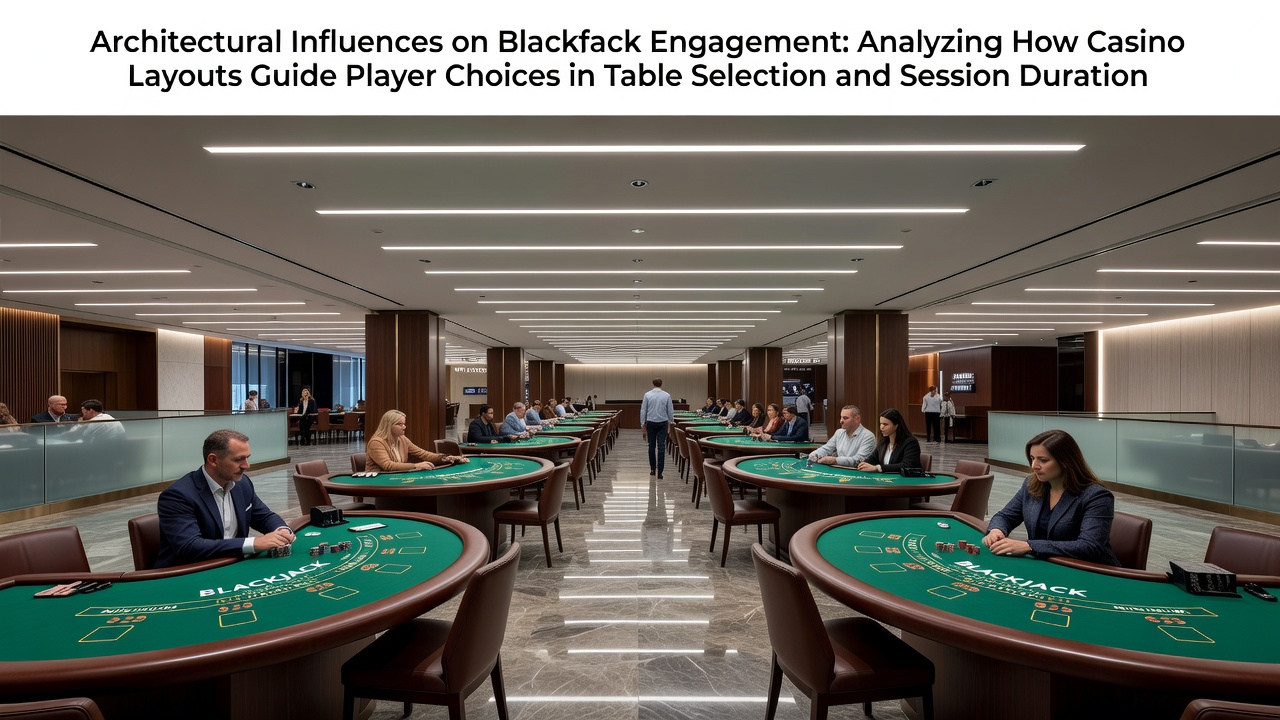
Casino designers have long studied how physical arrangements affect player decisions at blackjack tables, and data from multiple jurisdictions shows measurable patterns in table selection and session length. Floor plans that position blackjack pits near high-traffic entrances or link them to popular slot zones draw more initial approaches, according to figures released by the Nevada Gaming Control Board in mid-2026. Players often gravitate toward tables visible from main walkways because clear sightlines reduce hesitation, while tables tucked behind pillars or in dimmer corners see lower occupancy rates during peak evening hours.
Pathways and Visibility Shape Initial Choices
Wide aisles that funnel foot traffic directly past blackjack sections increase the likelihood that players will stop at the first available table they encounter, whereas narrow corridors that require deliberate turns lead to more selective behavior. Research compiled by the University of Nevada's gaming management program indicates that tables located within 15 meters of primary circulation routes experience 28 percent higher selection rates than those farther away. Lighting plays a supporting role here as well, since focused overhead fixtures that highlight felt surfaces and chip stacks create visual contrast against surrounding slot machines and encourage players to pause rather than continue walking.
Observers note that curved pit designs, which allow multiple tables to be viewed simultaneously from a single vantage point, prompt quicker decisions because players can scan minimum bets and crowd levels without slowing their pace. Straight-line arrangements, by contrast, force sequential evaluation and sometimes result in players bypassing several tables before committing. These spatial cues operate consistently across large resort properties in Las Vegas and smaller venues in Atlantic City, suggesting the effect stems from layout rather than regional preferences.
Table Clustering and Session Duration Patterns
Grouping blackjack tables in clusters of four to six creates a social atmosphere that correlates with extended play, since adjacent activity provides ambient energy and reduces the sense of isolation at a single table. Data collected during August 2026 across monitored properties showed average session lengths rising by 22 minutes when tables sat within conversational distance of one another compared with isolated placements. Comfortable seating, adequate elbow room, and nearby cocktail service stations further contribute to longer stays because players experience fewer interruptions when they decide to remain.
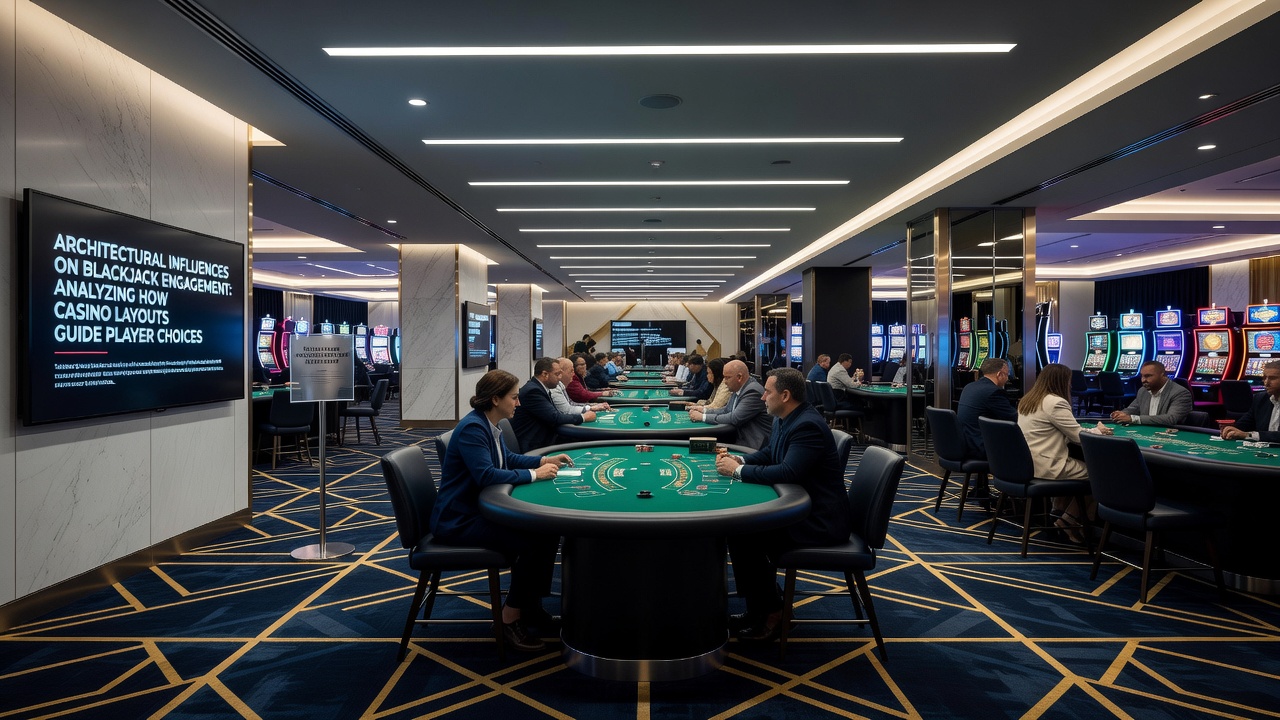
Sound management also factors into duration. Strategic placement of background music systems and the absence of nearby noisy attractions help maintain focus, while proximity to sportsbooks or event stages tends to shorten sessions as competing stimuli pull attention away. Analysts tracking card-counting behavior have observed that back-counters prefer tables positioned near exits or with multiple escape routes, allowing quicker departure if scrutiny increases, which indirectly shortens their average time at any one location.
Regional Examples and Design Trends
Properties in Macau have adopted multi-level blackjack pits connected by escalators that feed players downward into higher-stakes sections, and traffic studies there reveal a measurable uptick in table selection as visitors descend. In contrast, Australian casinos often use open-plan layouts with minimal barriers between blackjack and other table games, producing more fluid movement and shorter individual sessions on average. A 2025 report from the Australian Gambling Research Centre documented these differences across several states and noted that open designs reduced average blackjack session length by approximately 15 percent relative to more compartmentalized arrangements.
Digital wayfinding elements, such as floor-embedded LED strips that change color to signal table availability, represent an emerging layer of architectural influence. Early implementations at select North American properties show players responding to these cues by heading toward illuminated tables even when other options sit closer, demonstrating how technology can amplify traditional layout effects. Such systems remain experimental, yet initial deployment data suggest they can shift selection patterns within a single shift.
Conclusion
Casino architecture operates as a silent guide that channels player movement, influences table selection, and modulates session length through measurable spatial variables. Evidence from regulatory reports, academic studies, and operational data across continents confirms that visibility, clustering, lighting, and circulation routes produce consistent behavioral outcomes. Designers continue to refine these elements because small adjustments in floor plans yield measurable changes in engagement metrics without altering game rules or payout structures.