Decoding the Interplay Between Loyalty Program Tiers and Optimal Blackjack Betting Patterns in Loyalty-Driven Casinos
Sofia Hartmann · Jul 8, 2026
Decoding the Interplay Between Loyalty Program Tiers and Optimal Blackjack Betting Patterns in Loyalty-Driven Casinos
Casino loyalty programs assign players to tiers based on tracked play volume, and these tiers directly influence the value derived from blackjack sessions through comps and promotional credits. Data from the American Gaming Association shows that higher tiers often unlock reduced house edges on select games or additional free play allocations calculated from theoretical loss formulas. Observers note that players adjust bet sizing to accumulate tier points faster while maintaining adherence to basic strategy charts that minimize long-term house advantage.
How Tier Structures Shape Play Volume Calculations
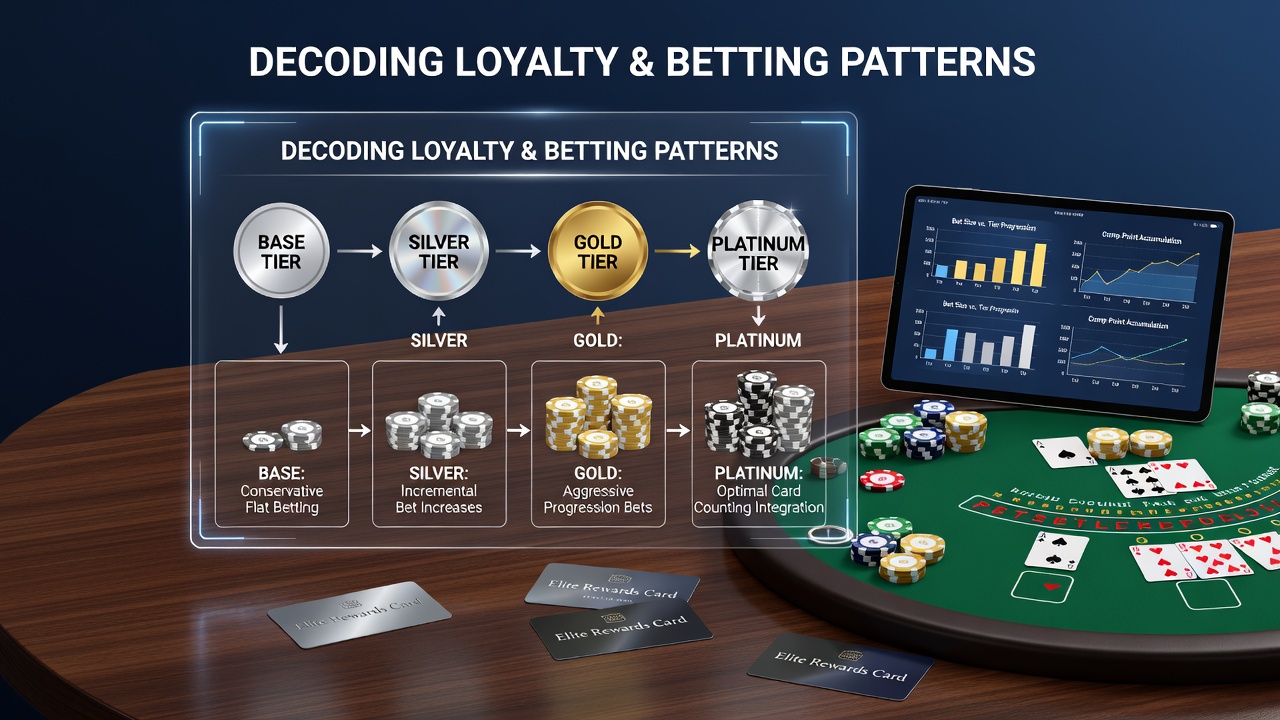
Loyalty systems convert average bet amounts and hours played into points using algorithms that factor in game-specific hold percentages, and blackjack tables typically award points at rates tied to a player's theoretical loss per hand. Research from the UNLV Center for Gaming Research indicates that gold and platinum tiers frequently deliver cashback percentages ranging from 0.2 to 0.5 percent of theoretical loss, which alters the effective return-to-player metric when players incorporate those credits into session bankrolls. Those who study these mechanics find that reaching a new tier threshold can require sustained elevated betting patterns over multiple visits, prompting adjustments in wager sizes that align with both risk tolerance and point accumulation goals.
Betting Pattern Adjustments Across Tiers
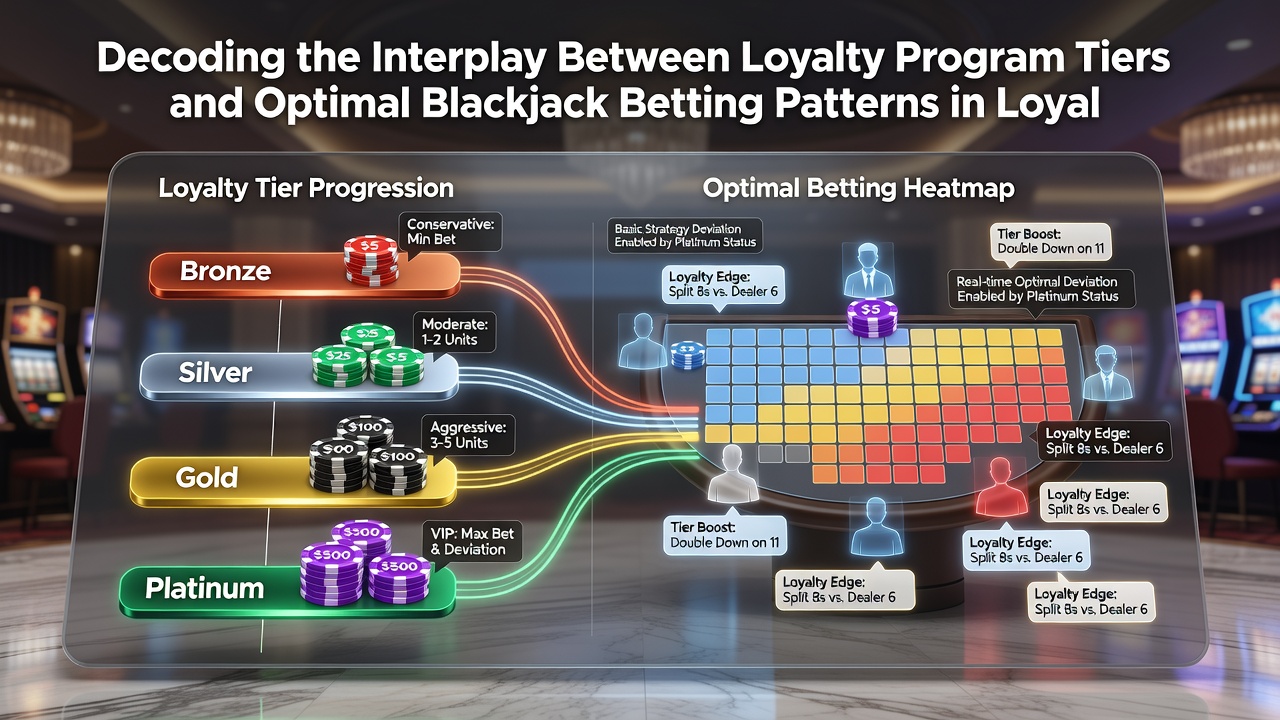
Players in entry-level tiers often maintain flat betting sequences to control variance, whereas those approaching mid-tier thresholds increase unit sizes during favorable deck compositions to accelerate point earnings. Figures from industry reports reveal that optimal patterns incorporate progressive bet ramps calibrated to the remaining distance to the next tier, and these ramps integrate with card counting indices that signal when true counts justify larger wagers anyway. What's interesting is how casinos monitor these shifts through player tracking systems that flag sudden bet increases, yet the same systems simultaneously reward the resulting higher theoretical loss with tier benefits that offset some of that exposure.
Comps Valuation and Their Impact on Strategy Charts
Comps such as room offers, dining credits, and free play function as rebates that modify the net house edge experienced by loyalty members, and higher tiers amplify these rebates through multiplier events held periodically throughout the year. A 2025 study published by the Canadian Gaming Association documented average comp values per tier point across multiple properties, demonstrating that platinum members receive up to three times the redemption rate compared with base-tier participants. Those who've examined the numbers note that incorporating expected comp value into bankroll management leads some players to extend sessions or modestly elevate bets when close to tier qualification deadlines, always within the boundaries of established blackjack decision matrices.
Regional Variations in July 2026 Program Updates
Properties operating under Nevada Gaming Control Board oversight introduced tier acceleration bonuses in early July 2026 that grant double points on blackjack tables during designated hours, which in turn encourages participants to recalibrate their betting spreads to capitalize on the temporary multiplier. Similar adjustments appeared in Australian casino groups where loyalty algorithms now factor in side-bet activity when determining tier status, prompting some players to layer approved wagers onto base hands without deviating from core strategy. Data indicates these updates maintain regulatory compliance while reshaping the mathematical relationship between time on device and reward velocity.
Integration With Risk Management Protocols
Effective patterns blend loyalty tier objectives with standard deviation controls, and experts have observed that players often set tier-specific loss limits that scale with expected comp value at each level. The reality is that reaching higher tiers requires consistent play volume, yet that same volume increases exposure to short-term swings that basic strategy alone cannot eliminate. Observers point to examples where individuals synchronize larger bets with positive true counts while simultaneously tracking cumulative points needed for the next qualification window, creating a dual-objective framework that still respects overall bankroll percentages.
Conclusion
Loyalty program tiers and blackjack betting patterns intersect through measurable calculations of theoretical loss, point accrual rates, and comp redemption values that vary by property and region. Research continues to track how these systems evolve, with July 2026 updates illustrating ongoing refinements that link play data directly to reward structures. Players who align betting decisions with both game mathematics and tier progression thresholds operate within frameworks that the industry monitors through established tracking technologies and regulatory oversight.