Deck Sequencing Patterns: How Automated Shufflers Alter Card Flow Expectations in Multi-Venue Operations
Hugo Carter · May 20, 2026
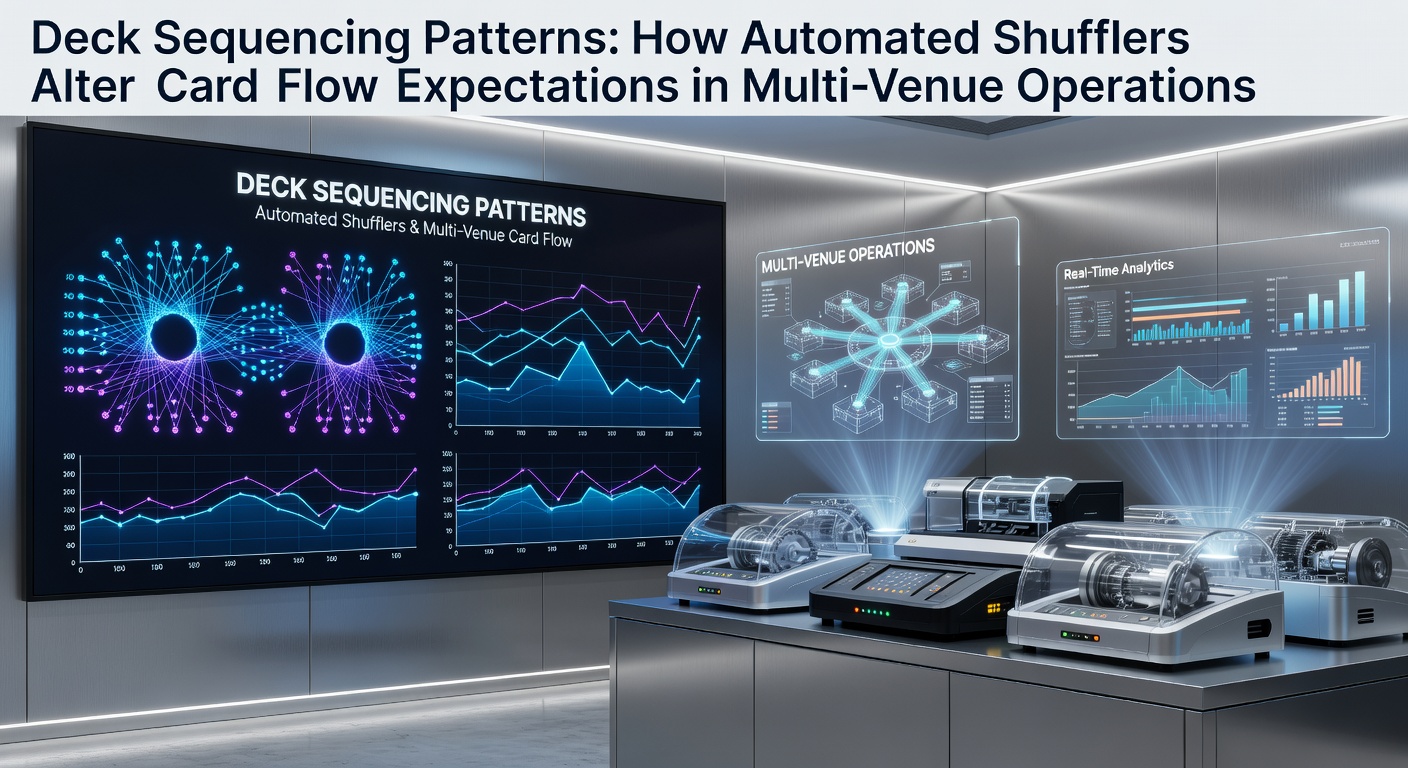
Deck Sequencing Patterns: How Automated Shufflers Alter Card Flow Expectations in Multi-Venue Operations
Automated shufflers have become standard equipment in many casino operations since their widespread adoption in teh early 2000s, and they continue to shape how decks move through play cycles across different locations. These machines handle continuous or batch shuffling processes that replace manual techniques, which creates new expectations around card distribution and sequencing in games that rely on multi-deck shoes.
Core Mechanics of Automated Shuffling Systems
Continuous shuffling machines draw cards from the discard tray and reinsert them into the active deck at regular intervals, whereas batch shufflers complete a full randomization cycle before the next shoe begins. Both designs rely on internal randomization algorithms and physical mixing components such as rotating drums or elevator mechanisms. Research from gaming technology laboratories shows that these processes reduce the time between rounds while maintaining statistical randomness thresholds required by regulatory standards.
Operators managing multiple venues often standardize on a single shuffler model to simplify maintenance schedules and training protocols. This consistency means staff at separate properties encounter identical sequencing behaviors when decks are loaded or when partial shoes are returned to the machine. Data collected from floor operations indicates that calibration differences between machine units can still produce minor variations in how clusters of high or low cards reappear during live play.
Observed Sequencing Patterns in Live Environments
Technicians monitoring shuffler output have documented recurring intervals where certain card groupings surface more frequently than pure random models predict, particularly after the machine completes a fixed number of shuffle cycles. These patterns arise because mechanical components follow repeatable motion sequences even when electronic randomizers select insertion points. In multi-venue settings, the same model deployed across properties tends to generate comparable cycle lengths, which allows operations teams to anticipate when card flow might shift toward longer runs of face cards or repeated suit concentrations.
Studies conducted by independent testing facilities confirm that certified shufflers pass rigorous statistical audits for overall randomness, yet localized sequencing effects remain detectable during extended observation periods. Casino analysts use software that tracks shoe composition across thousands of hands to identify these micro-patterns without violating house procedures. Venues operating in different regulatory jurisdictions apply similar tracking methods because the underlying hardware behaves consistently regardless of location.
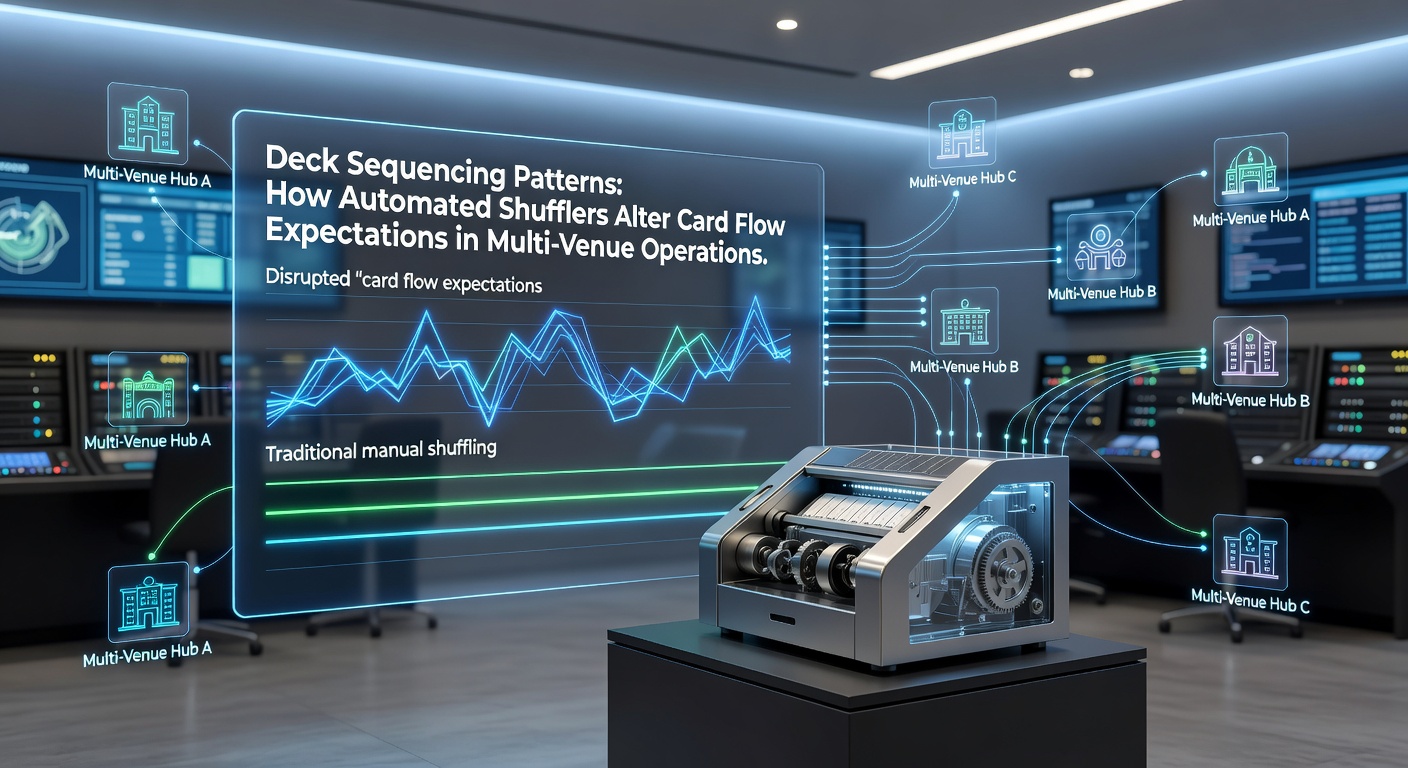
Multi-Venue Standardization and Expectation Management
Chains that run properties in several regions coordinate shuffler firmware updates on synchronized schedules so that sequencing characteristics remain aligned. When a new software version alters insertion timing or drum rotation speed, all locations implement the change within the same maintenance window. This approach prevents one venue from experiencing different card flow dynamics than another, which supports uniform training materials and performance benchmarks for dealers and supervisors.
Regulatory bodies in various jurisdictions require periodic recertification of shuffling equipment, and reports from the Nevada Gaming Control Board along with parallel agencies in other markets show that recertification includes verification of both mechanical and electronic randomization elements. As of May 2026 several large operators have completed fleet-wide upgrades that incorporate enhanced sensors capable of logging every card movement during each shuffle cycle. These logs feed into central databases that compare sequencing data across venues in real time.
Impact on Game Flow and Operational Planning
Dealers working with continuous shufflers report fewer interruptions for manual deck changes, which shortens average round duration and increases hands per hour. Yet the constant reintroduction of discarded cards changes how players experience streaks because previously played cards return to circulation sooner than they would in a traditional cut-and-pitch procedure. Multi-venue operators track these metrics centrally to adjust staffing levels and table minimums according to measured pace variations.
Maintenance logs reveal that sensor drift or minor mechanical wear can extend or compress specific shuffle phases, and these small shifts accumulate into noticeable differences in card distribution over thousands of cycles. Properties sharing the same equipment pool therefore schedule joint calibration reviews to keep performance characteristics matched. Industry associations such as the American Gaming Association publish aggregated data showing how standardized shuffler fleets affect overall table throughput across member properties.
Future Developments in Sequencing Technology
Manufacturers are testing systems that combine physical shuffling with real-time optical verification of every card position. These prototypes generate detailed sequencing maps that operations staff can review to confirm expected distribution patterns remain within acceptable parameters. Early deployments in select multi-venue groups demonstrate that such monitoring reduces variance between locations and supports more precise scheduling of preventive maintenance.
Conclusion
Automated shufflers have redefined how card sequencing behaves in environments that span multiple venues, replacing older manual expectations with machine-driven cycles that operators can monitor and standardize. Continued firmware refinements and cross-property data sharing keep these systems aligned while preserving the statistical integrity demanded by oversight agencies. As hardware evolves through 2026 and beyond, sequencing patterns will remain a key factor in how multi-venue operations plan table flow and equipment maintenance.