Continuous Shuffle Machines: Examining Disruptions to Card Sequencing Patterns in Prolonged Casino Play
Avery Klein · Jul 11, 2026

Continuous Shuffle Machines: Examining Disruptions to Card Sequencing Patterns in Prolonged Casino Play
Continuous shuffle machines maintain a constant randomization process that interrupts the natural depletion of cards in multi-deck blackjack games, and operators deploy these devices across numerous casino floors to limit opportunities for tracking remaining card compositions over extended play periods. Data from regulatory reports shows that these machines cycle cards back into active play after each hand completes, which eliminates the progressive sequencing that develops when decks remain static between rounds.
Operational Design and Randomization Process
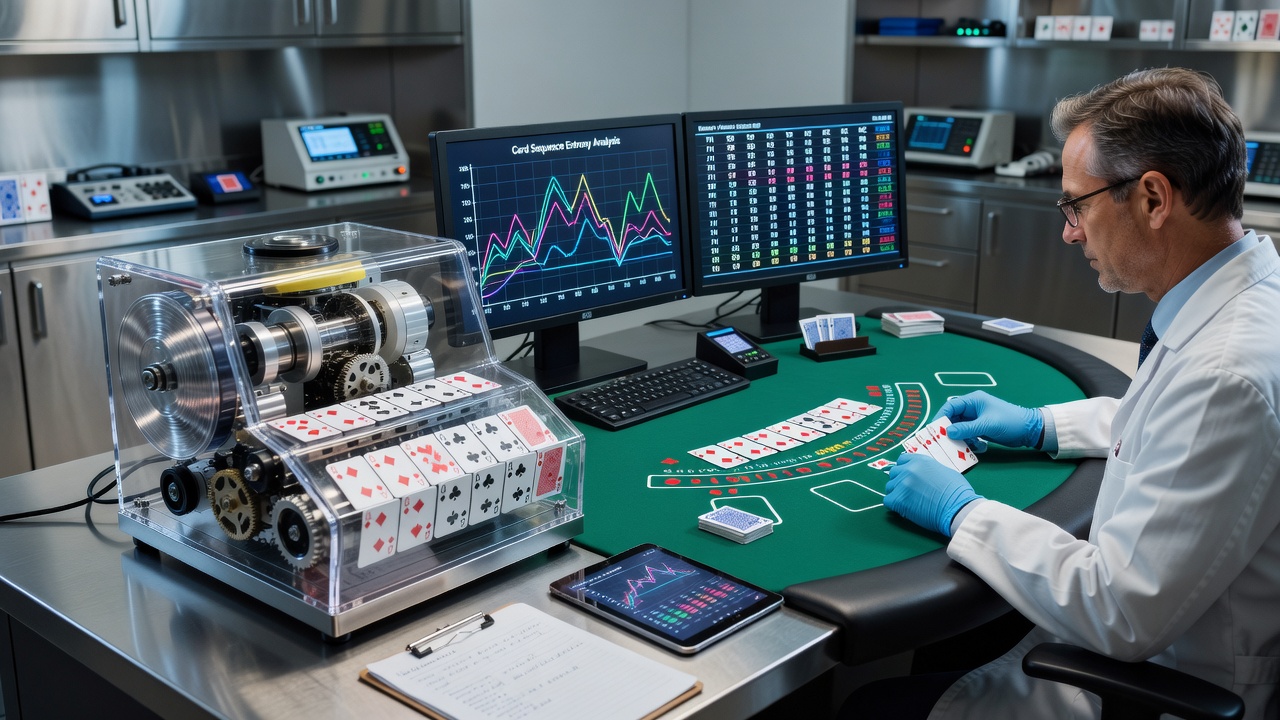
Manufacturers design continuous shuffle machines with internal mechanisms that draw from a reservoir of cards while simultaneously returning discards to the mix, and this setup ensures that the shoe never reaches the deeper penetration levels common in manual or batch-shuffled games. Research conducted by gaming laboratories indicates that randomization algorithms within these units produce distribution patterns that reset frequently, preventing the accumulation of high or low card concentrations that players might monitor across dozens of hands. Casinos in major jurisdictions report installation rates exceeding 60 percent of table games by mid-2026, with the technology integrated into both live and hybrid environments.
Effects on Traditional Sequencing Tracking
Established sequencing methods rely on observing the order and frequency of card appearances as the shoe progresses, yet continuous shuffle machines break these chains by reintroducing used cards at irregular intervals. Studies from probability research centers demonstrate that the variance in card appearance rates increases significantly under continuous shuffling compared with static decks, and this shift raises the computational demands on anyone attempting to maintain accurate running counts or sequence predictions. Observers note that sessions lasting several hours show no measurable drift toward exploitable patterns because the machine's cycle rate keeps the effective deck composition close to the initial random state throughout play.
Comparative Data Across Shuffle Technologies
Batch auto-shufflers and hand-shuffled tables allow partial deck depletion before resets occur, whereas continuous models operate without pause and produce measurable differences in outcome distributions. Figures from independent testing facilities reveal that games using continuous machines exhibit house edges that remain stable regardless of session length, while traditional setups display fluctuations tied to remaining card composition. Industry associations tracking equipment adoption across North American and European markets document a steady replacement trend, with continuous units favored in high-volume areas because they reduce downtime between rounds and maintain consistent statistical properties.
Player Observation Patterns in Extended Sessions
Those monitoring table behavior over multi-hour periods report that continuous shuffle machines eliminate the late-shoe opportunities where certain card clusters appear more frequently, and this consistency alters the timing of strategic adjustments that depend on prior hand results. Data collected from casino surveillance archives shows that attempts to identify repeating sequences yield results indistinguishable from random expectation when machines remain active. Regulatory bodies in several regions, including analyses shared by the Nevada Gaming Control Board, confirm that these devices meet strict randomization standards that prevent any sustained deviation from baseline probabilities during prolonged use.
Technical Specifications and Cycle Rates
Most continuous shuffle units process between 30 and 50 cards per minute depending on model and table speed, which keeps the active playing surface refreshed without visible interruption. Engineers calibrate sensor arrays and mixing chambers to handle standard 52-card decks plus jokers in some variants, while software logs verify that each cycle meets required entropy thresholds set by oversight agencies. Research papers published through academic gaming programs highlight how these specifications directly counteract the informational advantages that accumulate when cards stay out of play for extended stretches.
Integration with Table Management Practices
Floor supervisors coordinate machine maintenance schedules with table rotation protocols, ensuring that units undergo periodic verification without halting revenue-generating activity. Records maintained by casino operations teams indicate that continuous shuffle machines require fewer physical interventions than manual shuffling procedures, which reduces opportunities for external interference while preserving game pace. Trade organizations representing equipment suppliers publish usage statistics that align with these operational efficiencies across global markets.
Conclusion
Continuous shuffle machines maintain randomization integrity that prevents the formation of predictable card sequences across extended casino sessions, and available evidence from testing laboratories and regulatory reviews supports their effectiveness in stabilizing outcome distributions. Casinos continue to expand deployment of these systems as part of standard table operations, with technical specifications and performance data confirming consistent disruption of sequencing patterns that would otherwise develop in non-continuous environments.