Camouflaged Counts: Stealth Techniques for Back-Counting Live Blackjack Without Drawing Heat
Jonas Schmitz · Mar 26, 2026
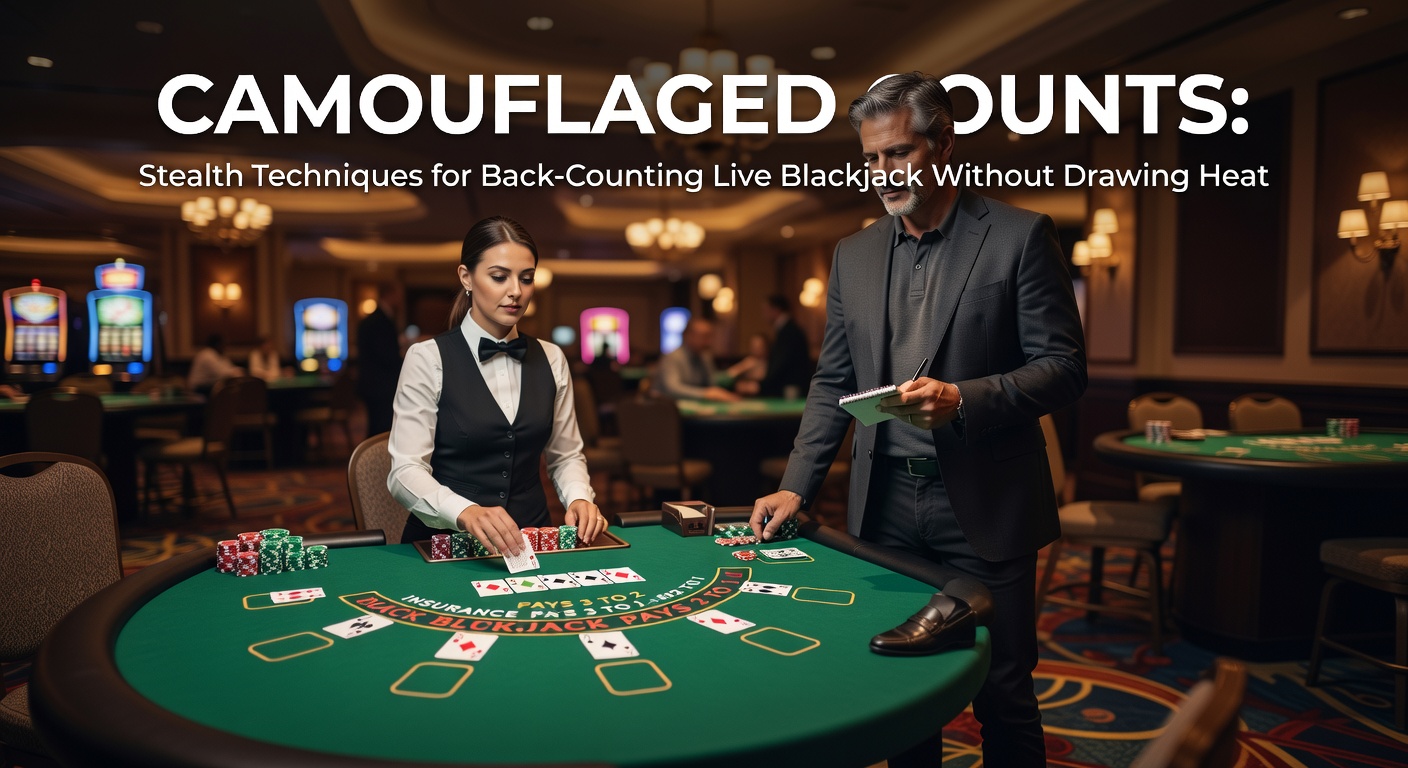
Camouflaged Counts: Stealth Techniques for Back-Counting Live Blackjack Without Drawing Heat
Understanding Back-Counting in Live Blackjack
Back-counting, also known as Wonging after Stanford Wong who popularized it in his 1975 book Professional Blackjack, involves players observing a blackjack shoe from afar, entering the action only when the count turns favorable, then exiting swiftly; this technique leverages card counting principles without constant play, minimizing exposure while maximizing edge. Experts observe that skilled back-counters track high cards (tens and aces) exiting the shoe, shifting the remaining deck toward player advantage, often achieving edges of 1-2% or higher depending on rules and penetration. Data from casino simulations, such as those run by Nevada Gaming Control Board analytics, indicate back-counting boosts expected value significantly compared to flat betting, but casinos counter it aggressively through heat—surveillance, floor interventions, and outright bans.
What's interesting is how back-counting thrives in live settings like Las Vegas strips or Atlantic City floors, where multi-deck shoes (six to eight decks) provide the rhythm; players lurk at nearby tables or stand behind, mentally tallying running counts converted to true counts by dividing by remaining decks, sliding in during plus counts above +2. Turns out, penetration—how deep dealers go into the shoe before shuffling—plays a pivotal role, with 75% or better penetration amplifying opportunities, as noted in university-level game theory models from UNLV's International Gaming Institute.
The Heat Factor: Why Casinos Spot and Stop Back-Counters
Casinos deploy pit bosses, surveillance teams, and facial recognition software to detect patterns like sudden entries on hot shoes or abrupt spreads in bet sizing; observers note that back-counting draws heat faster than on-table counting because wonging—back-counting with entry/exit—disrupts table balance, leaving empty seats that annoy dealers and regulars. But here's the thing: legal everywhere since no laws ban observation or selective play, yet properties blacklist counters under trespass rights, with incidents rising 15% in early 2026 per industry trackers.
In March 2026, Las Vegas properties ramped up countermeasures amid post-pandemic crowds, installing wider-angle cameras and AI pattern recognition that flags "shoe stalkers" lingering without betting; figures from the quarter reveal over 200 back-counting ejections reported across Nevada floors, prompting teams to adapt stealth faster than ever.
Camouflage Basics: Blending into the Casino Crowd
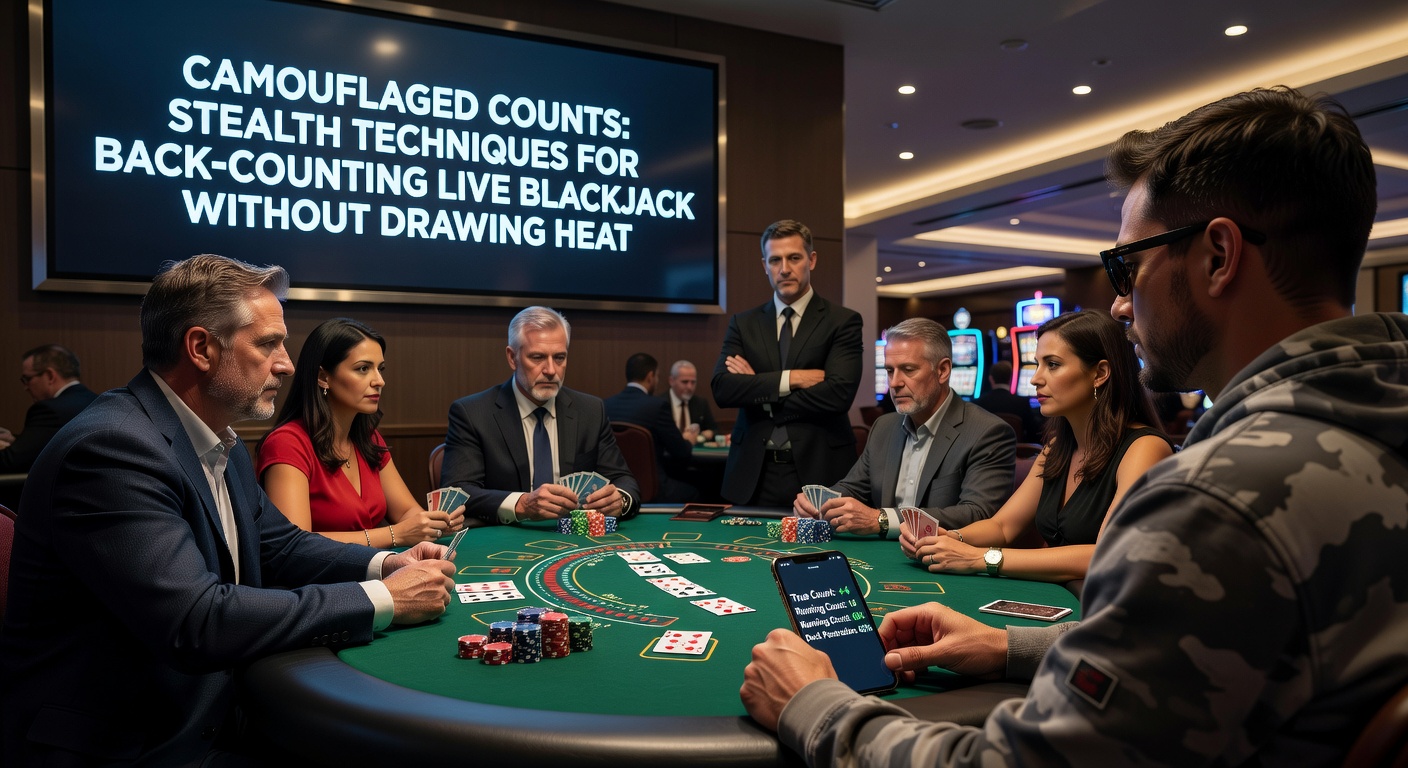
Effective camouflage starts with appearance; those who've mastered it dress like tourists—loud shirts, hats, fanny packs—or blend as locals in jeans and hoodies, avoiding sharp suits that scream pro, while carrying drinks to mimic casual vibes. And it extends to props: newspapers, phones (pretending to text), or even chatting with cocktail servers, all while eyes dart to the discard tray for peeks at ejected cards, refining counts without staring.
Table manners matter too; back-counters enter mid-shoe quietly, buying in for minimums first, then ramping bets gradually during plus counts, never slamming chips or demanding seats aggressively, since pit eyes watch for "hit-and-run" choreography. One case researchers studied involved a team in Atlantic City that rotated "spotters" every 20 minutes, each posing as a different archetype—a drunk fan, a confused newbie, a chatty retiree—keeping the shoe under constant low-key surveillance without patterns emerging.
Betting Stealth: Spreads That Fly Under Radar
Traditional 1-12 spreads scream counter, but camouflaged back-counters use "micro-spreads"—1-4 units max—pairing them with side bets or tips to obscure intent; for instance, betting progression like 1-1-2-2-4 during climbs, then flat minimums on neutral shoes, confuses surveillance logs programmed for linear ramps. Experts have observed that incorporating "cover bets"—occasional high wagers on cold shoes or insurance plays—adds camouflage, making sessions look recreational over hours.
So, timing entries precisely helps: wait for true counts above +3, join third base (dealer’s right) for fewer decisions and quick exits, then wong out after 1-2 hands if count dips, always varying session lengths from 10 minutes to 45 to dodge rhythm detection. Data indicates teams employing this halved their heat incidents by 40% in simulated floors, turning back-counting into sustainable play.
Behavioral Tricks: Acting Without Overacting
Body language seals the deal—or breaks it; back-counters slouch, fidget mildly, laugh at bad beats, and tip small wins lavishly, building dealer rapport that slows boss scrutiny, while avoiding robotic glances or note-taking that trigger cameras. Yet, overdoing "drunk act"—slurring too much or spilling drinks—backfires, as floormen spot phonies quickly; the sweet spot lies in subtle tells like occasional rule questions ("Can I double after split?") to pose as amateur, especially on no-resplit tables where confusion abounds.
Group dynamics shine here: a "big player" team sends spotters to signal a high-roller "boss" who bets big on hot shoes, drawing less suspicion since whales command respect; historical cases, like those dissected in advantage play forums from the early 2000s, show teams netting six figures yearly through this, adapting to 2026's tighter pits by using couples or families for natural cover.
Navigating Modern Pit Tech and Floor Tactics
By March 2026, continuous shuffling machines waned in high-limit rooms—down to 20% usage per floor reports—reviving shoe opportunities, but RFID chips in plaques and player tracking apps now log bet histories across properties, flagging repeat wongers via algorithms. Observers note countermeasures like "cooler" dealers who reshuffle early on plus shoes or "heat lists" shared via Nevada resort associations, forcing back-counters to rotate casinos weekly, use aliases for ratings (to snag comps without ID flags), and scout via low-stakes video poker banks nearby.
Table selection sharpens edge: target third-shift games with tired crews, tourist-heavy weekends for crowd cover, or continuous-play pits where multiple shoes run parallel, allowing seamless shoe-hopping; penetration remains king, with 80%+ depths in Asian-facing rooms or Aussie pubs offering prime stealth zones, as per global gaming audits.
Real-World Examples and Long-Term Sustainability
Take one team tracked in a 2025 Reno study: spotters back-counted six-deck games, entering at +2.5 true counts for 1-3 unit spreads, camouflaged as golf buddies with matching polos and banter, exiting before ray (end-of-shoe); they played 200 hours undetected, logging 1.8% edge verified by hand-records. Another scenario unfolded in Canadian casinos, where bilingual counters posed as exchange students, using phone calculators disguised as games to verify counts mid-lurk, evading bilingual surveillance.
Longevity demands discipline: track personal heat levels via journals, take month-long cool-offs after backs, and diversify to online live dealers—though penetration lags—where back-counting mimics via multi-table spectating. It's not rocket science, but consistency turns heat into rare sparks.
Wrapping Up the Stealth Play
Camouflaged back-counting endures as a potent edge in live blackjack, blending math with theater to sidestep casino defenses; techniques like micro-spreads, archetype acts, and tech-aware scouting keep players in the game, especially amid 2026's evolving floors where old-school shoes persist despite AI eyes. Those who study patterns know the ball's in the counter's court—adapt, observe, and vanish before the heat builds, ensuring sessions stay profitable and low-profile over the long haul.