Ambient Factors Shaping Blackjack Experiences in High-End Gaming Facilities
Avery Klein · Jun 20, 2026
Ambient Factors Shaping Blackjack Experiences in High-End Gaming Facilities
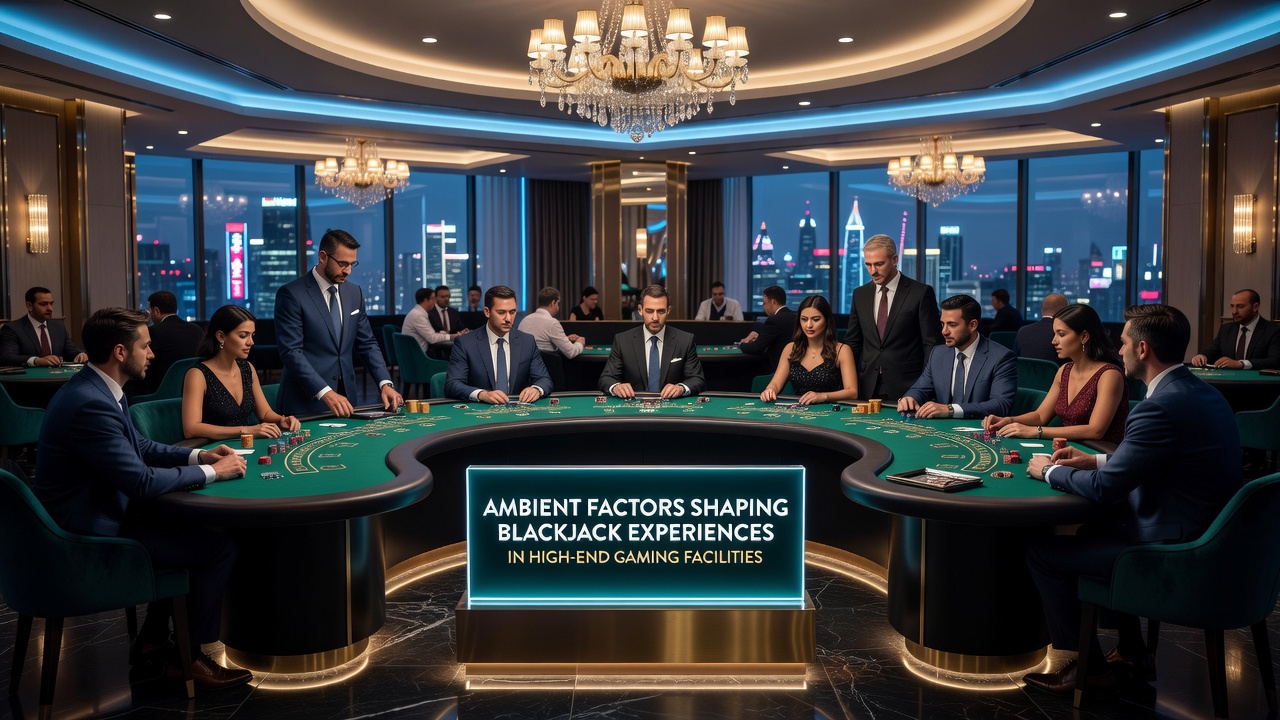
High-end gaming facilities employ specific ambient elements that shape how players interact with blackjack tables and these factors include lighting configurations, acoustic treatments, temperature regulation, and spatial layouts that operators adjust based on observed patterns in player behavior. Research from university studies on environmental psychology shows that such conditions influence concentration levels and decision timing during extended sessions at the felt.
Lighting Configurations and Visual Comfort
Facilities in major markets like Las Vegas and Macau install layered lighting systems that combine overhead fixtures with targeted table lamps and these setups reduce glare on cards while maintaining visibility for dealers and surveillance teams. Data collected by the Nevada Gaming Control Board indicates that properties with optimized illumination report consistent session durations among blackjack participants compared to venues using uniform bright overhead systems.
Design teams select warm spectrum bulbs for peripheral areas surrounding the tables and this choice creates contrast that draws attention to the playing surface without causing eye strain during multi-hour periods. Observers note that such adjustments align with patterns documented in industry reports where player positioning relative to light sources correlates with bet frequency variations.
Acoustic Treatments and Sound Dynamics
Acoustic panels and zoned sound systems appear throughout premium blackjack pits to manage ambient noise levels and these installations filter background chatter from nearby slots while preserving clear dealer announcements. Studies conducted by research institutions in Australia reveal that controlled sound environments correlate with fewer interruptions in player focus during critical hands.
Facilities calibrate audio output to sit below thresholds that might distract from card counting or basic strategy recall and this approach stems from engineering assessments that track how decibel ranges affect reaction times. What's interesting is how some operators incorporate subtle white noise layers to mask conversations at adjacent tables without creating an artificial silence that feels unnatural to participants.
Temperature Regulation and Air Quality
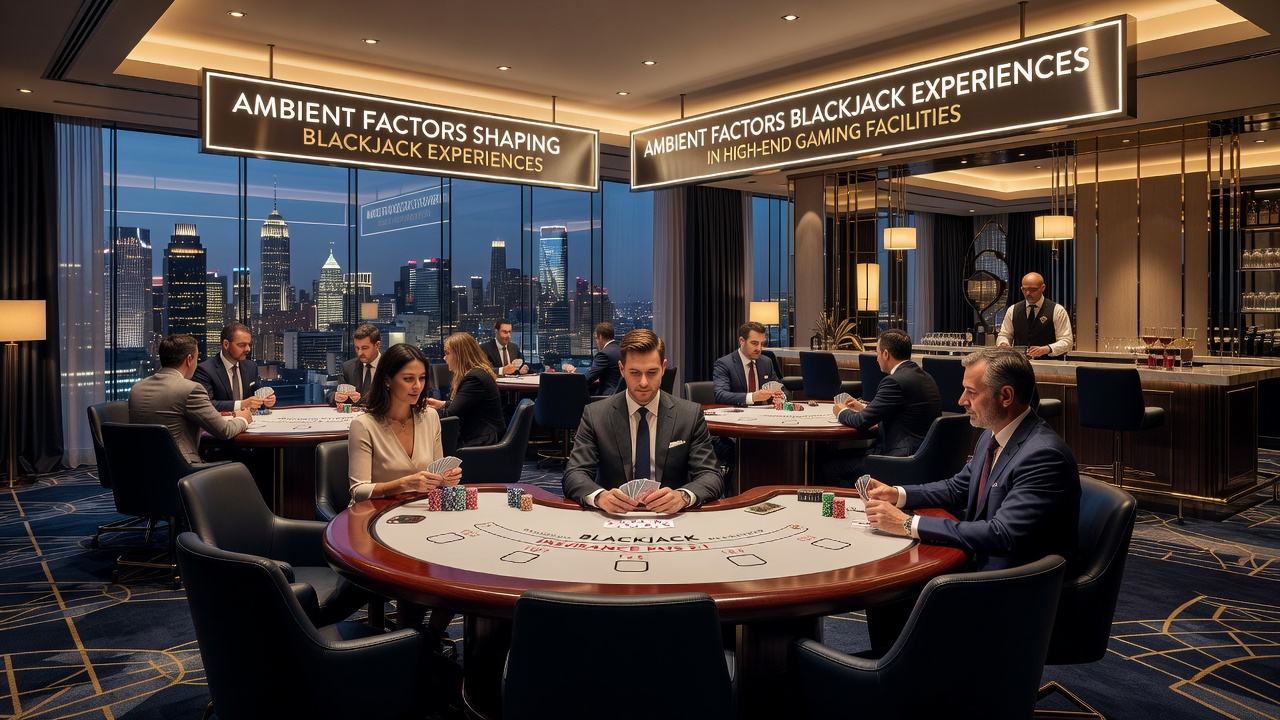
Climate control systems in high-end venues maintain temperatures between 20 and 22 degrees Celsius around blackjack areas and this range stems from hospitality engineering standards that balance player comfort with equipment performance. Air filtration units operate continuously to manage humidity and particulate levels which operators monitor through integrated building management platforms.
Reports from Canadian regulatory bodies highlight that venues with stable microclimates experience steadier foot traffic at table games during peak evening hours and these conditions support longer dwell times without the fatigue associated with fluctuating environments. Engineers adjust airflow patterns to prevent drafts at seated positions while ensuring even distribution across the pit.
Spatial Layout and Ergonomic Elements
Architects position blackjack tables with specific spacing that allows for natural movement between seats and this arrangement accommodates both solo players and small groups without crowding the action. Seating designs incorporate adjustable heights and cushioned backs that align with ergonomic guidelines developed for prolonged sitting in gaming settings.
High-end properties integrate subtle barriers such as low partitions or planter placements that define table zones and these features help maintain privacy while allowing oversight by floor staff. Data from European gaming associations shows that thoughtful spatial planning contributes to organized table rotations during busy periods in June 2026 schedules when tourist influxes increase demand.
Integrated Sensory Elements
Some facilities incorporate controlled scent diffusion systems near blackjack sections using neutral profiles that avoid strong fragrances and these systems operate on timed cycles tied to occupancy sensors. Flooring materials combine carpet and hard surfaces in patterns that reduce footfall noise while guiding foot traffic flows toward active tables.
Color palettes in wall treatments and felt selections follow schemes that minimize visual fatigue and operators reference interior design analyses when refreshing these elements. Those who've examined multiple properties observe that coordinated sensory inputs create environments where players maintain consistent engagement across varying crowd densities.
Conclusion
Ambient factors in premium gaming facilities result from deliberate engineering and design choices that address documented influences on player interaction with blackjack. Operators continue to refine these elements based on performance metrics and regulatory guidelines from diverse regions which ensures environments support extended play while meeting operational standards. Data collection efforts across markets provide ongoing insights into how lighting, sound, climate, and layout adjustments affect table dynamics without altering core game rules.